Category: MARKETS

  • The African Tech Boom: Unveiling Lucrative Opportunities for Investors

    Embark on an insightful exploration into the flourishing African Tech Investments, where opportunities abound in the dynamic landscape of technological innovation and growth.

    The Evolution of African Tech

    From Potential to Powerhouse

    Witness the evolution of African tech from a potential force to a global powerhouse. Explore the factors propelling the continent’s tech boom.

    Government Support and Tech Policies

    Catalyzing Innovation

    Government support and tech policies catalyze innovation. Understand how strategic initiatives foster a conducive environment for tech startups and investors.

    Key Tech Sectors

    Fintech Revolution

    1. Transforming Financial Inclusion

    Delve into the Fintech revolution. Uncover how African startups are transforming financial inclusion, creating investment opportunities in digital banking and payment systems.

    HealthTech Advancements

    1. Tech-Driven Healthcare Solutions

    Explore HealthTech advancements. Witness how technology is revolutionizing healthcare delivery, presenting investors with opportunities in innovative solutions.

    Market Dynamics

    Startup Ecosystem Vibrancy

    1. Nurturing Entrepreneurial Spirit

    Witness the vibrancy of the startup ecosystem. Explore how African nations are nurturing an entrepreneurial spirit, fostering a conducive environment for tech investments.

    Investment Magnet: Tech Hubs

    1. Exploring Innovation Hubs

    Identify investment magnets in tech hubs. From Lagos to Nairobi, explore the innovation hubs attracting investments and driving technological advancements.

    Regulatory Landscape

    Government Regulations and Compliance

    1. Striking a Balance

    Understand the regulatory landscape. Explore how governments strike a balance between fostering innovation and ensuring regulatory compliance for investor confidence.

    Data Privacy and Cybersecurity

    1. Safeguarding Digital Frontiers

    Navigate data privacy concerns. Witness how African nations are prioritizing cybersecurity measures, ensuring the safeguarding of digital frontiers for investors.

    Risk Mitigation Strategies

    Political Stability Considerations

    1. Analyzing Political Landscapes

    Mitigate political risks. Evaluate the political landscapes of African nations, ensuring informed decisions and risk mitigation for long-term tech investments.

    Currency Considerations in Investments

    1. Hedging Against Currency Fluctuations

    Mitigate currency risks strategically. Explore how investors can hedge against currency fluctuations to safeguard their tech investments in the African market.

    Future Trends and Innovations

    AI and Blockchain Revolution

    1. Pioneering Technological Frontiers

    Anticipate the AI and Blockchain revolution. Explore how African tech is pioneering these technological frontiers, presenting future investment opportunities.

    Sustainable Tech Solutions

    1. Investing in Eco-Friendly Tech

    Embrace sustainable tech solutions. Witness the rise of eco-friendly tech innovations and explore investment avenues in environmentally conscious startups.

    Conclusion

    In conclusion, the African Tech Boom: Emerging Opportunities for Investors encapsulates a transformative era. Venture into the thriving African tech landscape, where innovation, government support, and a vibrant startup ecosystem converge to create unparalleled opportunities for global investors.
  • Investing in the Middle East: Navigating Opportunities and Challenges

    Embark on a strategic journey into Middle East Investments, exploring the multifaceted landscape of opportunities and challenges in this dynamic region.

    Economic Overview

    Growth and Diversification

    Witness the Middle East’s economic growth and diversification efforts. Analyze indicators reflecting stability and potential investment avenues.

    Government Initiatives

    Visionary Reforms

    Delve into visionary reforms driving economic development. Understand how government initiatives create opportunities for global investors.

    Key Investment Sectors

    Energy and Petrochemicals

    1. Oil and Gas Dynamics

    Explore the energy sector. Uncover opportunities in the dynamic oil and gas industry, understanding its impact on regional economies.

    Real Estate Boom

    1. Urban Development Trends

    Navigate the real estate landscape. Identify trends in urban development, presenting potential investments in the Middle East property market.

    Market Dynamics

    Stock Exchanges Insights

    1. Performance Analysis

    Understand stock market dynamics. Analyze performance indicators of regional stock exchanges for informed investment decisions.

    Tech and Innovation Hubs

    1. Startup Ecosystem

    Explore tech hubs. Identify opportunities in the Middle East’s burgeoning startup ecosystem, driven by technological innovations.

    Regulatory Landscape

    Foreign Investment Regulations

    1. Ease of Doing Business

    Navigate foreign investment regulations. Assess the ease of doing business in the Middle East and understand regulatory considerations for investors.

    Sustainable Practices

    1. ESG Integration

    Explore sustainable practices. Embrace ESG integration in investment strategies, aligning with the Middle East’s commitment to environmental responsibility.

    Risks and Mitigations

    Geopolitical Challenges

    1. Navigating Regional Relations

    Assess geopolitical challenges. Navigate the intricacies of regional relations and develop strategies to mitigate potential investment risks.

    Currency Considerations

    1. Impact on Investments

    Evaluate currency considerations. Mitigate risks associated with currency fluctuations impacting investments, ensuring a diversified portfolio.

    Future Trends

    Diversification Initiatives

    1. Non-Oil Sector Growth

    Anticipate trends in economic diversification. Explore opportunities in the Middle East’s non-oil sectors, fostering sustainable growth.

    Digital Transformation

    1. Embracing Technological Evolution

    Stay ahead with digital transformation. Explore how technological advancements shape investment opportunities in the Middle East.

    Conclusion

    In conclusion, Investing in the Middle East: Opportunities and Challenges equips investors with insights to navigate this vibrant region. Explore key sectors, understand market dynamics, and embrace the potential of strategic investments amidst the challenges.

  • Japan’s Economic Revitalization: Unlocking Investment Prospects

    Embark on a journey into Japanese Economic Trends, exploring the revitalization efforts shaping investment prospects in one of Asia’s economic powerhouses.

    Japan’s Economic Landscape

    Post-Pandemic Resilience

    Witness Japan’s resilience post-pandemic. Explore economic indicators reflecting stability and potential for lucrative investments.

    Government Initiatives

    Abenomics and Beyond

    Delve into economic initiatives like Abenomics. Understand their impact on market dynamics and the evolving investment landscape.

    Key Sectors

    Technology and Innovation

    1. Advancements in Tech

    Explore Japan’s technological advancements. Identify investment opportunities in sectors driving innovation and digital transformation.

    Renewable Energy Boom

    1. Green Initiatives

    Navigate Japan’s commitment to renewable energy. Uncover investment prospects in the growing green initiatives shaping the energy sector.

    Market Dynamics

    Tokyo Stock Exchange Insights

    1. Market Performance Analysis

    Understand Tokyo Stock Exchange dynamics. Analyze market performance indicators for strategic investment decision-making.

    Real Estate Opportunities

    1. Urban Development Trends

    Explore real estate opportunities. Identify trends in urban development and consider potential investments in Japan’s evolving property market.

    Regulatory Landscape

    Foreign Investment Regulations

    1. Openness to Global Investors

    Navigate foreign investment regulations. Understand Japan’s openness to global investors and the ease of doing business in the country

    Sustainable Practices

    1. ESG Integration

    Explore Japan’s focus on sustainable practices. Embrace ESG integration as a criterion for identifying environmentally conscious investments

    Risks and Mitigations

    Currency Considerations

    1. Yen’s Impact on Investments

    Evaluate currency considerations. Mitigate risks associated with the yen’s impact on investments for a diversified portfolio.

    Geopolitical Landscape

    1. Navigating Global Relations

    Assess the geopolitical landscape. Navigate Japan’s role in global relations and anticipate potential impacts on investments.

    Future Trends

    Innovation and Startups

    1. Entrepreneurial Ecosystem

    Anticipate trends in innovation and startups. Explore Japan’s evolving entrepreneurial ecosystem and potential investment opportunities.

    Aging Population Opportunities

    1. Healthcare and Senior Services

    Explore opportunities in an aging population. Identify investments in healthcare and senior services addressing Japan’s demographic shifts.

    Conclusion

    In conclusion, Japan’s Economic Revitalization: Investment Prospects offers a panoramic view of Japan’s economic resurgence. Explore key sectors, understand market dynamics, and embrace investment opportunities in a nation committed to innovation, sustainability, and resilience.

  • Navigating Regulatory Changes in the European Markets: A Strategic Approach

    Embark on a comprehensive exploration of the European Regulatory Landscape, dissecting the dynamic changes and offering strategic insights for global investors navigating the evolving regulatory terrain.

    The Impact of Regulatory Changes

    Shaping Market Dynamics

    Understand how regulatory changes shape European market dynamics. Explore their impact on investment strategies and market trends.

    Compliance as a Competitive Advantage

    Staying Ahead in the Game

    Embrace compliance as a competitive advantage. Learn how adherence to changing regulations can position investors for success in European markets.

    Key Regulatory Areas

    Financial Services Directive

    1. Evolving Financial Regulations

    Navigate the evolution of financial regulations under the Financial Services Directive. Explore the implications for investors and financial institutions.

    GDPR Compliance

    1. Data Protection Imperatives

    Understand GDPR compliance imperatives. Delve into the importance of data protection and its profound effects on businesses and investments.

    Regulatory Challenges and Solutions

    Brexit Implications

    1. Adjusting Strategies Post-Brexit

    Evaluate Brexit’s implications on the European regulatory landscape. Adjust investment strategies to align with the post-Brexit reality.

    ESG Integration

    1. Embracing Sustainable Practices

    Explore the integration of ESG principles. Embrace sustainable practices and discover how ESG compliance enhances investment opportunities.

    Adapting to Technological Advancements

    Fintech Regulations

    1. Shaping the Fintech Landscape

    Navigate Fintech regulations shaping the financial landscape. Understand how these regulations impact investment opportunities in technological advancements.

    Cybersecurity Compliance

    1. Mitigating Cyber Risks

    Prioritize cybersecurity compliance. Mitigate cyber risks and safeguard investments in an era of increasing technological reliance.

    Regulatory Reporting and Transparency

    MiFID II Compliance

    1. Enhancing Market Transparency

    Understand MiFID II compliance. Explore how enhanced market transparency benefits investors and ensures regulatory reporting compliance.

    Anti-Money Laundering Measures

    1. Strengthening Financial Integrity

    Explore Anti-Money Laundering (AML) measures. Understand their role in strengthening financial integrity and investor confidence.

    The Future of European Regulation

    Digital Transformation

    1. Embracing Technological Evolution

    Anticipate the future of European regulation. Explore how digital transformation is revolutionizing regulatory frameworks and influencing investment strategies.

    Cross-Border Collaboration

    1. Facilitating Global Investments

    Investigate cross-border collaboration trends. Understand how regulatory harmonization facilitates global investments and diversification.

    Conclusion

    In conclusion, successfully Navigating Regulatory Changes in the European Markets requires a strategic approach. Investors must adapt to evolving regulations, leverage compliance as an advantage, and anticipate future trends to thrive in the dynamic European investment landscape.

  • Investing in the Australian Real Estate Market: A Lucrative Venture

    Introduction

    Embark on a journey into Australian Real Estate Investments, exploring the dynamic landscape that makes investing in the land Down Under a lucrative venture.

    Booming Real Estate Market

    Surge in Property Values

    Experience the surge in Australian property values. Explore the factors driving this upward trend and the potential for profitable investments.

    Strategic Locations

    Prime Investment Hotspots

    Discover prime investment hotspots across Australia. From bustling urban centers to scenic coastal regions, identify strategic locations for real estate ventures.

    Property Types and Trends

    Residential Real Estate

    1. Urban Dwelling Trends

    Explore trends in residential real estate. Uncover opportunities in evolving urban dwelling preferences and lifestyle choices.

    Commercial Real Estate

    1. Thriving Business Hubs

    Investigate the growth of commercial real estate. Identify thriving business hubs and key factors driving demand in this sector.

    Regulatory Landscape

    Foreign Investment Regulations

    1. Navigating Restrictions

    Understand foreign investment regulations. Navigate restrictions and compliance requirements for international investors in the Australian real estate market.

    Tax Implications

    1. Tax Considerations for Investors

    Delve into tax implications for real estate investors. Stay informed about tax considerations, deductions, and potential financial benefits.

    Financing Options

    Mortgage Market Insights

    1. Exploring Mortgage Opportunities

    Explore the Australian mortgage market. Understand financing options and strategies for securing mortgages to facilitate real estate investments.

    Alternative Investment Models

    1. Crowdfunding and REITs

    Investigate alternative investment models. From crowdfunding to Real Estate Investment Trusts (REITs), explore diverse avenues for investment.

    Market Risks and Mitigation

    Market Volatility Considerations

    1. Navigating Economic Fluctuations

    Understand market volatility considerations. Develop strategies to navigate economic fluctuations and mitigate risks in the Australian real estate market.

    Due Diligence Practices

    1. Comprehensive Research for Investors

    Emphasize due diligence practices. Conduct comprehensive research to empower investors with knowledge and mitigate potential risks.

    Future Trends

    Sustainable Real Estate Practices

    1. Eco-Friendly Initiatives

    Anticipate future trends in sustainable real estate. Explore eco-friendly initiatives and their impact on property values and investor preferences.

    Technology Integration

    1. PropTech Advancements

    Stay ahead with technology integration trends. Explore PropTech advancements shaping the Australian real estate market for innovative investments.

    Conclusion

    In conclusion, Investing in the Australian Real Estate Market offers a wealth of opportunities. Navigate property types, regulatory landscapes, and future trends to make informed investment decisions and embark on a prosperous venture Down Under.

  • China’s Economic Transformation: Investing Beyond Borders

    Unveiling China’s Investment Landscape

    Embark on a journey into China Investment Opportunities, witnessing the economic transformation that opens doors to lucrative prospects for global investors.

    China’s Economic Evolution

    From Manufacturing Hub to Innovation Powerhouse

    Experience China’s shift from a manufacturing giant to a global innovation hub, driving economic growth and transforming investment landscapes.

    Digital Revolution

    Witness the digital revolution shaping China’s economy. Explore opportunities in tech-driven sectors, from e-commerce to cutting-edge innovations.

    Key Sectors Fueling Growth

    Technology and Innovation

    1. Thriving Tech Giants

    Investigate China’s thriving tech giants, such as Alibaba and Tencent. Uncover investment possibilities in this dynamic sector.

    Renewable Energy

    1. Green Initiatives

    Explore China’s commitment to renewable energy. Identify investment prospects as the nation embraces green initiatives and sustainable development.

    Market Dynamics and Trends

    Shanghai and Shenzhen Stock Exchanges

    1. Insights into Key Stock Markets

    Understand the dynamics of China’s stock exchanges. Gain insights into the Shanghai and Shenzhen Stock Exchanges for strategic investment decisions.

    Consumption Boom

    1. Rising Middle Class

    Explore the consumption boom driven by China’s rising middle class. Identify sectors benefiting from increased consumer spending.

    Regulatory Environment

    Opening Doors to Foreign Investors

    1. Evolving Policies

    Investigate China’s evolving regulatory policies. Understand how they open doors to foreign investors seeking diverse investment opportunities.

    Belt and Road Initiative

    1. Infrastructure Investment Opportunities

    Explore investment avenues within the Belt and Road Initiative. Uncover opportunities in infrastructure projects spanning multiple countries.

    Navigating Risks and Rewards

    Currency Considerations

    1. RMB Internationalization

    Navigate currency considerations with the RMB’s internationalization. Understand the impact on investments and potential benefits.

    Geopolitical Challenges

    1. Assessing and Mitigating Risks

    Evaluate geopolitical challenges and strategies for risk mitigation. Stay informed for strategic investment decisions.

    Future Trends

    Artificial Intelligence and Biotech

    1. Cutting-Edge Innovations

    Anticipate future trends in AI and biotech. Explore investment possibilities in China’s rapid advancements in these cutting-edge sectors.

    Global Collaboration Initiatives

    1. Building International Partnerships

    Explore China’s global collaboration initiatives. Identify investment prospects as the nation builds international partnerships.

    Conclusion

    In conclusion, China’s Economic Transformation: Investing Beyond Borders beckons global investors to explore unparalleled opportunities. From thriving tech sectors to green initiatives, navigate the evolving landscape and position investments strategically for a prosperous future in China’s dynamic economy.

  • Investment Opportunities in the Indian Stock Market

    Investment Opportunities in the Indian Stock Market

    Unveiling Lucrative Prospects

    The Indian Market Investments landscape beckons with promising opportunities for global investors. Discover the lucrative prospects hidden within the dynamic and resilient Indian stock market.
    The Resilience of the Indian Economy

    Thriving Amidst Challenges

    The Indian economy, despite global challenges, showcases resilience. Explore how it weathers storms and presents a stable platform for investors.

    Government Initiatives Fuelling Growth

    Strategic Reforms

    Government initiatives like Make in India and GST drive economic growth. Delve into how these reforms create investment avenues.

    Sectoral Spotlight

    Technology and Innovation

    1. IT and Software Boom

    Witness the thriving IT sector, a beacon of innovation. Uncover investment opportunities in the software and technology boom.

    Renewable Energy Revolution

    1. Green Energy Initiatives

    Explore India’s commitment to renewable energy. Identify investment prospects as the nation embraces a green revolution.

    Market Dynamics

    Nifty and Sensex Insights

    1. Benchmark Indices Unveiled

    Understand the dynamics of Nifty and Sensex. Gain insights into how these benchmark indices shape investment strategies.

    Small-Cap Gems

    1. Discovering Hidden Potential

    Navigate the world of small-cap stocks. Unearth hidden gems with immense growth potential in the Indian stock market.

    Regulatory Landscape

    SEBI Guidelines

    1. Ensuring Transparency

    Explore SEBI’s regulatory framework. Understand how transparent regulations contribute to investor confidence.

    FDI Policies

    1. Opening Doors to Foreign Investors

    Investigate India’s FDI policies. Recognize how they open doors for foreign investors seeking diverse opportunities.

    Emerging Trends

    E-commerce Boom

    1. Digital Market Opportunities

    Witness the e-commerce surge. Identify investment potential in India’s booming digital market space.

    Healthcare and Pharmaceuticals

    1. Riding the Health Wave

    Explore the healthcare sector’s upward trajectory. Seize investment opportunities as India focuses on health and pharmaceuticals.

    Risk Mitigation Strategies

    Diversification Tactics

    1. Beyond Traditional Investments

    Diversify your portfolio. Go beyond traditional investments and explore unconventional avenues for risk mitigation.

    Staying Informed Amidst Volatility

    1. Real-time Market Analysis

    Stay informed in a volatile market. Embrace real-time market analysis for strategic and timely investment decisions.

    Conclusion

    In conclusion, the Indian stock market offers a diverse and resilient playground for global investors. Investment Opportunities in the Indian Stock Market are vast, from thriving sectors to regulatory transparency. Seize the moment, explore the potential, and make strategic investments in one of the world’s most promising financial landscapes.

  • The Saudi Stock Exchange

    Tadawul: The Saudi Stock Exchange

    The Saudi Stock Exchange, also known as Tadawul, is the only stock exchange in Saudi Arabia and one of the largest in the Middle East.

    Its history dates back to 1930, when the country’s first joint-stock company was established. Today, Tadawul is an important player in the global financial market and a key driver of economic growth in Saudi Arabia.

    History of the Saudi Stock Exchange

    The Saudi Stock Exchange was established in 2007, following the merger of the Riyadh Stock Exchange and the Jeddah Stock Exchange. Prior to the merger, both exchanges operated independently, but the consolidation created a larger and more efficient market for investors. Tadawul is regulated by the Saudi Arabian Monetary Authority (SAMA), which ensures compliance with local laws and regulations.

    Current Status

    Tadawul is the largest stock exchange in the Middle East and one of the top 10 stock exchanges in the world in terms of market capitalization. As of 2021, the exchange had over 200 listed companies, with a total market capitalization of over $2 trillion. The exchange operates on a fully electronic trading platform and offers a range of investment products, including stocks, bonds, and exchange-traded funds (ETFs).

    Role in the Global Economy

    The Saudi Stock Exchange plays a critical role in the global economy, serving as a hub for foreign investment in the Middle East. The exchange is an important source of funding for local companies, providing them with access to capital to support growth and expansion. It is also a key player in the region’s financial services industry, facilitating trading in equities, fixed income, and other securities.

    Overall, the Tadawul is an important player in the global financial market, offering investors a wide range of investment opportunities across many different sectors. With a strong regulatory framework and a growing economy, the exchange is likely to remain a key driver of economic growth in Saudi Arabia and the Middle East for years to come.

    Saudi Aramco and the Saudi Stock Exchange

    Saudi Aramco is a state-owned oil company that plays a significant role in the Saudi Stock Exchange (Tadawul).

    The company’s initial public offering in 2019 was the world’s largest, raising over $25 billion and providing investors with the opportunity to invest in one of the world’s most valuable companies. As the world’s largest oil producer, Saudi Aramco’s stock price can have a significant impact on the performance of the Tadawul and the Saudi economy as a whole. The company’s success and stability have made it a cornerstone of the Saudi economy and a critical source of revenue for the government.

    Saudi Aramco was founded in 1933 as a joint venture between the Saudi government and several American oil companies. Over the years, the company has grown to become the world’s largest oil producer, with operations in every aspect of the oil and gas industry. Saudi Aramco’s scope includes exploration, production, refining, marketing, and distribution of petroleum products. The company has also invested in renewable energy and petrochemicals as part of its efforts to diversify its business and reduce its reliance on oil exports. Today, Saudi Aramco employs over 70,000 people and operates in more than 80 countries, making it one of the world’s most significant and influential companies.

    Popular Stocks and Sectors on the Tadawul

    The Saudi Stock Exchange, also known as Tadawul, is home to many companies across various sectors, with the majority of the listings being domestic companies. Here are some of the most popular sectors and stocks on the exchange:

    1. Banking: The banking sector is the largest on the Tadawul and makes up a significant portion of the exchange’s market capitalization. Some of the most popular banking stocks include National Commercial Bank, Al Rajhi Bank, and Saudi British Bank. These banks offer a range of financial services, including retail and commercial banking, investment banking, and asset management.
    2. Petrochemicals: The petrochemicals sector is also a significant industry on the Tadawul, with companies like Saudi Basic Industries Corporation (SABIC) among the most popular listings. These companies are involved in the production and distribution of chemicals, plastics, and other related products. Other notable petrochemical companies on the exchange include Saudi Arabian Fertilizers Company and Advanced Petrochemical Company.
    3. Telecommunications: The telecommunications sector is a growing industry on the Tadawul, with companies like Saudi Telecom Company and Etihad Etisalat (Mobily) offering a range of telecommunication services, including mobile and fixed-line services, internet and data services, and digital solutions. These companies have benefited from the increasing demand for digital connectivity and communication services in Saudi Arabia.
    4. Real Estate: The real estate sector is another significant industry on the Tadawul, with companies like Emaar The Economic City and Dar Al-Arkan Real Estate Development Company among the largest listings. These companies are involved in the development and management of residential, commercial, and industrial properties across the country. The real estate sector in Saudi Arabia has been growing rapidly due to the government’s efforts to promote infrastructure development and urbanization.
    5. Retail: The retail sector is also a popular industry on the Tadawul, with companies like Almarai Company and Saudi Arabian Amiantit Company among the largest listings. These companies are involved in the production and distribution of consumer goods and services, including food and beverages, home appliances, and building materials. The retail sector in Saudi Arabia has been growing due to the country’s increasing population and rising income levels.
    6. Energy: The energy sector is also significant on the Tadawul, with companies like Saudi Arabian Oil Company (Aramco) and National Gas and Industrialization Company among the largest listings. These companies are involved in the production and distribution of oil, gas, and other energy-related products. The energy sector is a critical industry in Saudi Arabia, and the government has been investing heavily in the sector to diversify the economy and reduce the country’s dependence on oil exports.

    Overall, the Saudi Stock Exchange offers investors a diverse range of investment opportunities across many different sectors. These sectors have been growing rapidly due to the government’s efforts to diversify the economy and promote private sector growth. With a strong regulatory framework and a growing economy, the exchange is likely to remain a key player in the global financial market and an essential driver of economic growth in Saudi Arabia and the Middle East.

  • Top 10 Stock Exchanges in the World by Market Capitalization

    The World’s Top 10 Stock Exchanges: A Brief History of Stock Markets and their Role in the Global Economy

    Stock exchanges play a crucial role in the global economy, providing a means for companies to raise capital and for investors to participate in the growth of the world’s largest companies.

    With trillions of dollars in market capitalization, the world’s top 10 stock exchanges are some of the most powerful financial institutions in the world. In this article, we’ll explore the history of stock markets and how they have evolved over the centuries, from the origins of the Amsterdam Stock Exchange in the 1600s to the rise of electronic trading in the 21st century. We’ll also take a closer look at each of the top 10 stock exchanges in the world, examining their history, their current status, and the role they play in the global economy.

    Here are the top 10 stock exchanges in the world by market capitalization as of 2021:

    1. New York Stock Exchange (NYSE), United States – Market capitalization: $32.9 trillion
    2. Nasdaq, United States – Market capitalization: $19.6 trillion
    3. Tokyo Stock Exchange (TSE), Japan – Market capitalization: $6.0 trillion
    4. Shanghai Stock Exchange (SSE), China – Market capitalization: $5.9 trillion
    5. Hong Kong Stock Exchange (HKEX), Hong Kong – Market capitalization: $5.1 trillion
    6. Euronext, Netherlands – Market capitalization: $4.7 trillion
    7. Shenzhen Stock Exchange (SZSE), China – Market capitalization: $4.6 trillion
    8. London Stock Exchange (LSE), United Kingdom – Market capitalization: $4.3 trillion
    9. Toronto Stock Exchange (TSX), Canada – Market capitalization: $2.4 trillion
    10. Bombay Stock Exchange (BSE), India – Market capitalization: $2.2 trillion
    11. National Stock Exchange (NSE), India -$3.06T
    12. Saudi Stock Exchange, Saudi Arabia – $3.05T

    It’s important to note that these rankings can change frequently, as market capitalizations are constantly fluctuating based on various factors, including economic conditions, company performance, and geopolitical events.

    History of Stock Markets

    Stock markets have been around for centuries, with their origins dating back to the early 1600s in Amsterdam. During this time, Dutch merchants began to trade shares of the Dutch East India Company, which was one of the first companies to issue public stock. The Amsterdam Stock Exchange, which later became known as Euronext Amsterdam, was established in 1720 and became the world’s first official stock exchange.

    In the centuries that followed, stock markets began to spread across Europe, with exchanges being established in London, Paris, and other major cities. In the United States, the New York Stock Exchange was founded in 1792, and it quickly became the world’s largest stock exchange. Over time, stock markets grew in size and complexity, with new financial instruments such as options, futures, and derivatives being introduced.

    Stock Markets in the 20th Century

    The 20th century saw the rise of global stock markets, with exchanges being established in Asia, South America, and other regions around the world. The growth of the internet and other technological advances in recent years have also had a profound impact on the stock market, with electronic trading and other innovations transforming the way that stocks are bought and sold.

    Despite its long history, the stock market has not been without its share of controversies and scandals. From the stock market crash of 1929 to the dot-com bubble of the late 1990s and early 2000s, stock markets have experienced periods of extreme volatility and speculation. However, the stock market has also been a powerful engine of economic growth and prosperity, providing a means for companies to raise capital and investors to participate in the growth of the global economy.

    Stock Markets Today

    Today, the world’s largest stock markets are worth trillions of dollars, and they play a crucial role in the global financial system. While the history of stock markets is long and complex, their enduring importance is a testament to the power of markets to create wealth and drive economic progress.

    1. New York Stock Exchange (NYSE), United States – The New York Stock Exchange is the largest stock exchange in the world, with a market capitalization of $32.9 trillion as of 2021. Founded in 1792, the NYSE has a rich history and has played a crucial role in shaping the global financial system. It is home to some of the world’s largest companies, including Amazon, Coca-Cola, and Microsoft.
    2. Nasdaq, United States – The Nasdaq, also based in the United States, is the world’s second-largest stock exchange, with a market capitalization of $19.6 trillion as of 2021. Unlike the NYSE, which primarily lists established companies, the Nasdaq is known for its high concentration of technology and growth-oriented firms. It is home to some of the biggest names in tech, including Apple, Facebook, and Google.
    3. Tokyo Stock Exchange (TSE), Japan – The Tokyo Stock Exchange is the largest stock exchange in Japan and the third-largest in the world by market capitalization, with a value of $6.0 trillion as of 2021. Founded in 1878, the TSE has been a vital component of Japan’s economic growth and has been instrumental in the development of the country’s corporate sector.
    4. Shanghai Stock Exchange (SSE), China – The Shanghai Stock Exchange is one of two primary stock exchanges in China and the fourth-largest in the world by market capitalization, with a value of $5.9 trillion as of 2021. Established in 1990, the SSE has grown rapidly over the past few decades, thanks in part to China’s remarkable economic growth and the increasing openness of its financial markets.
    5. Hong Kong Stock Exchange (HKEX), Hong Kong – The Hong Kong Stock Exchange is the primary stock exchange in Hong Kong and the fifth-largest in the world by market capitalization, with a value of $5.1 trillion as of 2021. The HKEX has played a crucial role in Hong Kong’s emergence as a global financial hub and has been a gateway to mainland China for many foreign investors.
    6. Euronext, Netherlands – Euronext is a pan-European stock exchange that operates across five countries, including France, Belgium, the Netherlands, Portugal, and Ireland. With a market capitalization of $4.7 trillion as of 2021, it is the sixth-largest stock exchange in the world. Euronext is known for its focus on small and medium-sized enterprises and has been instrumental in supporting the growth of these firms across Europe.
    7. Shenzhen Stock Exchange (SZSE), China – The Shenzhen Stock Exchange is one of two primary stock exchanges in China and the seventh-largest in the world by market capitalization, with a value of $4.6 trillion as of 2021. Founded in 1990, the SZSE has played a key role in the development of China’s private sector, and is known for its strong focus on technology and innovation.
    8. London Stock Exchange (LSE), United Kingdom – The London Stock Exchange is the primary stock exchange in the United Kingdom and the eighth-largest in the world by market capitalization, with a value of $4.3 trillion as of 2021. The LSE is one of the oldest stock exchanges in the world, with roots dating back to the 17th century, and has played a key role in the development of the UK’s economy over the centuries.
    9. Toronto Stock Exchange (TSX), Canada – The Toronto Stock Exchange is the primary stock exchange in Canada and the ninth-largest in the world by market capitalization, with a value of $2.4 trillion as of 2021. Founded in 1852, the TSX has been a vital component of Canada’s economy and has played a crucial role in financing the country’s growth and development. The exchange is home to many of Canada’s largest companies, including the major banks, energy firms, and mining companies.
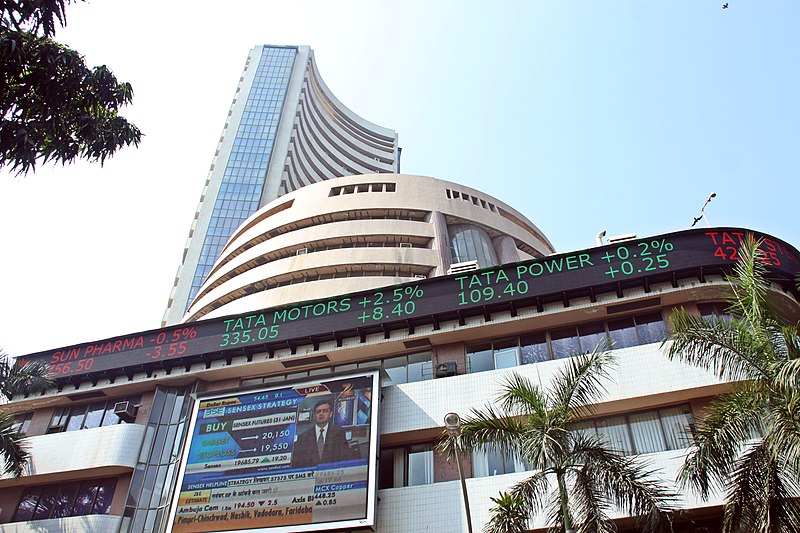
    10. Bombay Stock Exchange (BSE), India – The Bombay Stock Exchange is the primary stock exchange in India and the tenth-largest in the world by market capitalization, with a value of $2.2 trillion as of 2021. Founded in 1875, the BSE is one of the oldest stock exchanges in Asia and has played a key role in the development of India’s economy over the past century. The exchange is home to many of India’s leading companies in a wide range of industries, from technology and finance to manufacturing and energy.
  • The National Stock Exchange (NSE)

    The National Stock Exchange (NSE)

    The National Stock Exchange of India

    The National Stock Exchange (NSE) is the largest stock exchange in India, with a market capitalization of over $2.7 trillion USD.

    It was founded in 1992 and has quickly become one of the most important players in the Indian economy. Here is a closer look at the history, current status, and role of the NSE in the global economy.

    History

    The NSE was founded in 1992 as a response to the lack of transparency and efficiency in the Indian stock market at the time. The exchange was established with the goal of creating a more efficient and modern stock market, using cutting-edge technology to streamline trading and reduce costs for investors. The NSE introduced electronic trading in 1994, which revolutionized the Indian stock market and made it accessible to a wider range of investors.

    Current Status

    Today, the NSE is the largest stock exchange in India, with more than 2,000 listed companies and over 300 million registered investors.

    It has a wide range of listings covering many different sectors, including technology, finance, consumer goods, and more. The NSE is known for its innovative and efficient trading platform, which has helped to drive growth in the Indian economy and attract foreign investors.

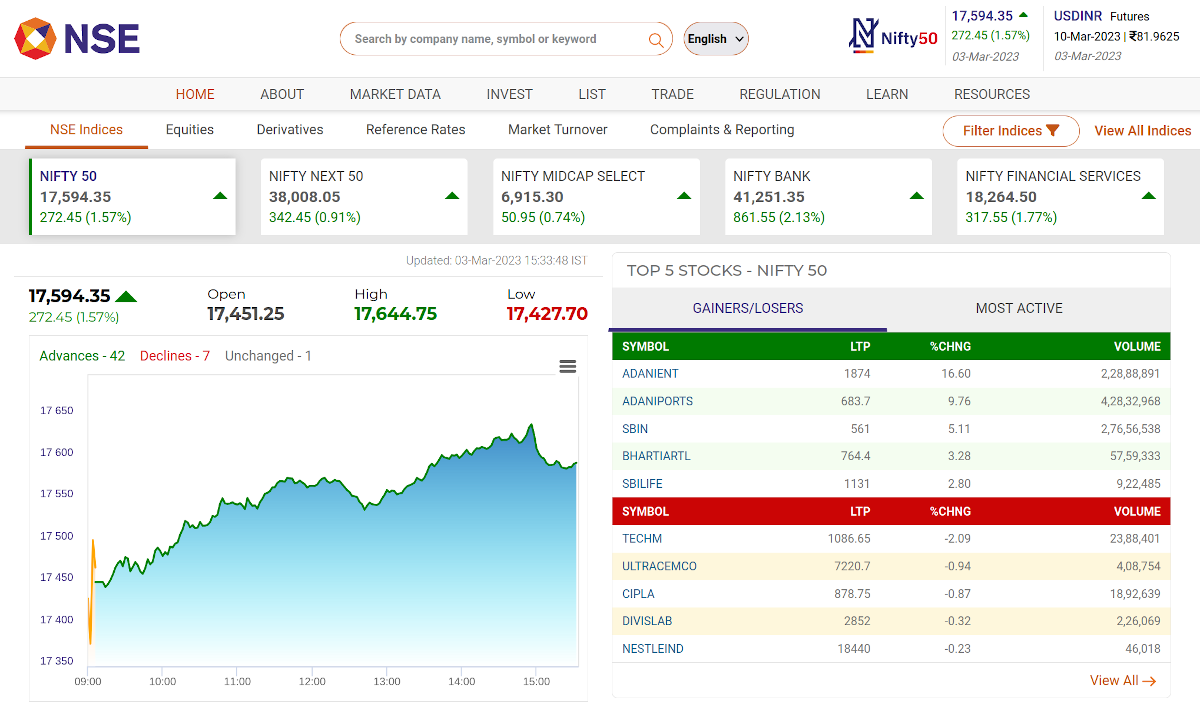
    National Stock Exchange: The Nifty 50

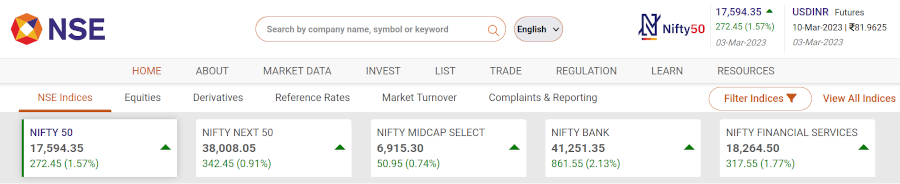
    The Nifty 50 on the National Stock Exchange (NSE) of India is a stock market index that tracks the performance of the top 50 companies listed on the NSE.

    These companies are selected based on various factors such as market capitalization, liquidity, and financial performance. The Nifty 50 index is widely used as a benchmark for the Indian stock market and is considered a key indicator of the overall health of the Indian economy. The Nifty 50 index is also used by investors as a tool for building diversified portfolios and making investment decisions. Overall, the Nifty 50 on NSE India plays an important role in the Indian stock market and is closely watched by investors, analysts, and market participants.

    Role in the Global Economy

    The NSE plays a significant role in the global economy, both as a leading stock exchange and as a major player in the Indian economy.

    India is the world’s sixth-largest economy, and the NSE is a critical component of the country’s financial system. It provides a platform for investors to buy and sell shares in Indian companies, which helps to fuel economic growth and create jobs.

    In recent years, the NSE has become increasingly important on the global stage, as foreign investors have started to take notice of the opportunities offered by the Indian market.

    The exchange has attracted a growing number of foreign investors, who are drawn by the country’s high growth rates, large population, and rapidly expanding middle class. As a result, the NSE has become an important destination for investors looking to diversify their portfolios and gain exposure to the Indian economy.

    Overall, the NSE is a critical player in the global economy, and an important destination for investors seeking exposure to the Indian market. Its innovative trading platform, wide range of listings, and significant role in the Indian economy make it an attractive option for investors looking to diversify their portfolios and tap into the potential of one of the world’s fastest-growing economies.

    Popular Stocks and Sectors on National Stock Exchange (NSE)

    The National Stock Exchange (NSE) of India has a wide range of listings covering many different sectors, including technology, finance, consumer goods, energy, and more.

    Here is a closer look at some of the most popular sectors and stocks on the exchange.

    Technology Sector

    The technology sector is one of the most significant on the NSE, with companies like Infosys, Wipro, and Tata Consultancy Services among the largest and most popular listings. These companies are leading providers of IT services, software development, and business process outsourcing, and are known for their cutting-edge technology and innovation.

    Finance Sector

    The finance sector is also significant on the NSE, with many of India’s largest banks and financial institutions listed on the exchange. HDFC Bank and ICICI Bank are among the most popular listings in this sector, offering a wide range of financial products and services to individuals and businesses in India.

    Consumer Goods Sector

    The consumer goods sector is growing in importance on the NSE, with companies like Hindustan Unilever and Nestle India performing well in recent years. These companies are known for their popular consumer brands, including personal care products, food and beverages, and home care products.

    Energy Sector

    The energy sector is also significant on the NSE, with companies like Reliance Industries and Indian Oil Corporation among the largest listings. These companies are major players in the oil and gas industry in India, with a focus on exploration, production, refining, and marketing of petroleum products.

    Infrastructure Sector

    The infrastructure sector is another significant sector on the NSE, with companies like Larsen & Toubro and Adani Ports and Special Economic Zone among the largest listings. These companies are involved in a wide range of infrastructure projects, including construction, engineering, and port operations.

    Overall, the NSE offers a diverse range of listings across many different sectors, providing investors with a wide range of investment opportunities. The exchange is known for its innovative trading platform, which has helped to drive growth in the Indian economy and attract foreign investors. As India continues to grow and develop, the NSE is likely to remain an important destination for investors seeking exposure to one of the world’s fastest-growing economies.