The World’s Top 10 Stock Exchanges: A Brief History of Stock Markets and their Role in the Global Economy
Stock exchanges play a crucial role in the global economy, providing a means for companies to raise capital and for investors to participate in the growth of the world’s largest companies.
With trillions of dollars in market capitalization, the world’s top 10 stock exchanges are some of the most powerful financial institutions in the world. In this article, we’ll explore the history of stock markets and how they have evolved over the centuries, from the origins of the Amsterdam Stock Exchange in the 1600s to the rise of electronic trading in the 21st century. We’ll also take a closer look at each of the top 10 stock exchanges in the world, examining their history, their current status, and the role they play in the global economy.
Here are the top 10 stock exchanges in the world by market capitalization as of 2021:
- New York Stock Exchange (NYSE), United States – Market capitalization: $32.9 trillion
- Nasdaq, United States – Market capitalization: $19.6 trillion
- Tokyo Stock Exchange (TSE), Japan – Market capitalization: $6.0 trillion
- Shanghai Stock Exchange (SSE), China – Market capitalization: $5.9 trillion
- Hong Kong Stock Exchange (HKEX), Hong Kong – Market capitalization: $5.1 trillion
- Euronext, Netherlands – Market capitalization: $4.7 trillion
- Shenzhen Stock Exchange (SZSE), China – Market capitalization: $4.6 trillion
- London Stock Exchange (LSE), United Kingdom – Market capitalization: $4.3 trillion
- Toronto Stock Exchange (TSX), Canada – Market capitalization: $2.4 trillion
- Bombay Stock Exchange (BSE), India – Market capitalization: $2.2 trillion
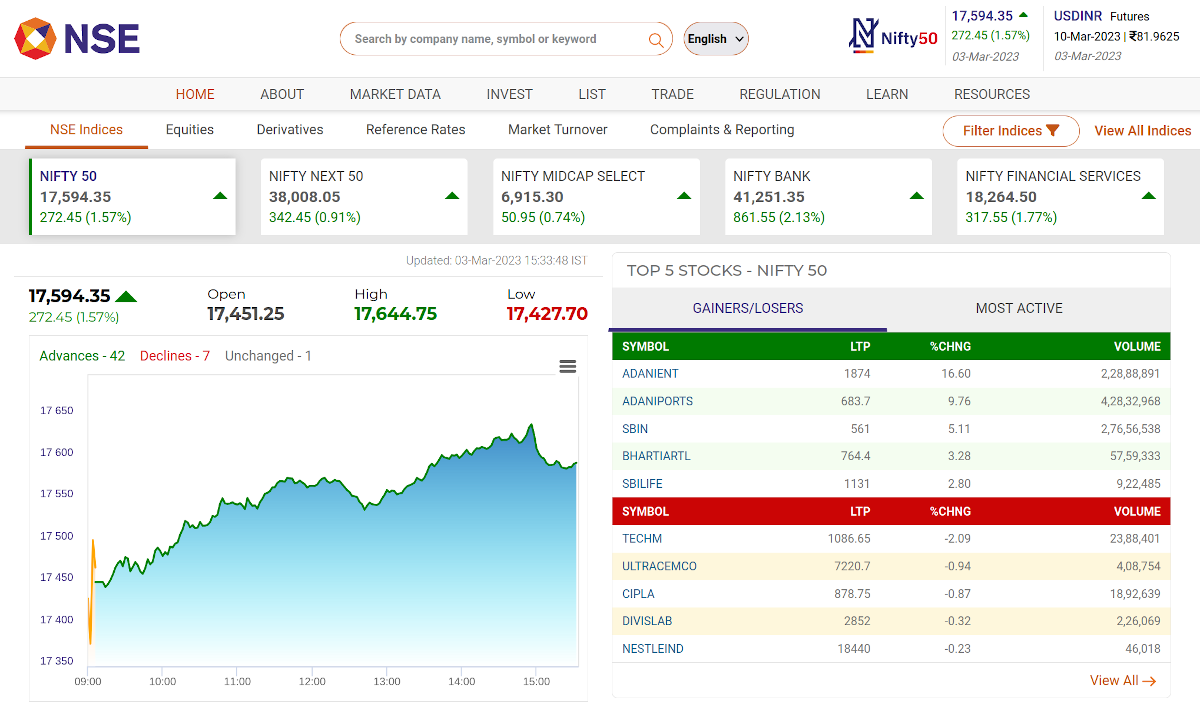
- National Stock Exchange (NSE), India -$3.06T
- Saudi Stock Exchange, Saudi Arabia – $3.05T
It’s important to note that these rankings can change frequently, as market capitalizations are constantly fluctuating based on various factors, including economic conditions, company performance, and geopolitical events.
History of Stock Markets
Stock markets have been around for centuries, with their origins dating back to the early 1600s in Amsterdam. During this time, Dutch merchants began to trade shares of the Dutch East India Company, which was one of the first companies to issue public stock. The Amsterdam Stock Exchange, which later became known as Euronext Amsterdam, was established in 1720 and became the world’s first official stock exchange.
In the centuries that followed, stock markets began to spread across Europe, with exchanges being established in London, Paris, and other major cities. In the United States, the New York Stock Exchange was founded in 1792, and it quickly became the world’s largest stock exchange. Over time, stock markets grew in size and complexity, with new financial instruments such as options, futures, and derivatives being introduced.
Stock Markets in the 20th Century
The 20th century saw the rise of global stock markets, with exchanges being established in Asia, South America, and other regions around the world. The growth of the internet and other technological advances in recent years have also had a profound impact on the stock market, with electronic trading and other innovations transforming the way that stocks are bought and sold.
Despite its long history, the stock market has not been without its share of controversies and scandals. From the stock market crash of 1929 to the dot-com bubble of the late 1990s and early 2000s, stock markets have experienced periods of extreme volatility and speculation. However, the stock market has also been a powerful engine of economic growth and prosperity, providing a means for companies to raise capital and investors to participate in the growth of the global economy.
Stock Markets Today
Today, the world’s largest stock markets are worth trillions of dollars, and they play a crucial role in the global financial system. While the history of stock markets is long and complex, their enduring importance is a testament to the power of markets to create wealth and drive economic progress.
- New York Stock Exchange (NYSE), United States – The New York Stock Exchange is the largest stock exchange in the world, with a market capitalization of $32.9 trillion as of 2021. Founded in 1792, the NYSE has a rich history and has played a crucial role in shaping the global financial system. It is home to some of the world’s largest companies, including Amazon, Coca-Cola, and Microsoft.
- Nasdaq, United States – The Nasdaq, also based in the United States, is the world’s second-largest stock exchange, with a market capitalization of $19.6 trillion as of 2021. Unlike the NYSE, which primarily lists established companies, the Nasdaq is known for its high concentration of technology and growth-oriented firms. It is home to some of the biggest names in tech, including Apple, Facebook, and Google.
- Tokyo Stock Exchange (TSE), Japan – The Tokyo Stock Exchange is the largest stock exchange in Japan and the third-largest in the world by market capitalization, with a value of $6.0 trillion as of 2021. Founded in 1878, the TSE has been a vital component of Japan’s economic growth and has been instrumental in the development of the country’s corporate sector.
- Shanghai Stock Exchange (SSE), China – The Shanghai Stock Exchange is one of two primary stock exchanges in China and the fourth-largest in the world by market capitalization, with a value of $5.9 trillion as of 2021. Established in 1990, the SSE has grown rapidly over the past few decades, thanks in part to China’s remarkable economic growth and the increasing openness of its financial markets.
- Hong Kong Stock Exchange (HKEX), Hong Kong – The Hong Kong Stock Exchange is the primary stock exchange in Hong Kong and the fifth-largest in the world by market capitalization, with a value of $5.1 trillion as of 2021. The HKEX has played a crucial role in Hong Kong’s emergence as a global financial hub and has been a gateway to mainland China for many foreign investors.
- Euronext, Netherlands – Euronext is a pan-European stock exchange that operates across five countries, including France, Belgium, the Netherlands, Portugal, and Ireland. With a market capitalization of $4.7 trillion as of 2021, it is the sixth-largest stock exchange in the world. Euronext is known for its focus on small and medium-sized enterprises and has been instrumental in supporting the growth of these firms across Europe.
- Shenzhen Stock Exchange (SZSE), China – The Shenzhen Stock Exchange is one of two primary stock exchanges in China and the seventh-largest in the world by market capitalization, with a value of $4.6 trillion as of 2021. Founded in 1990, the SZSE has played a key role in the development of China’s private sector, and is known for its strong focus on technology and innovation.
- London Stock Exchange (LSE), United Kingdom – The London Stock Exchange is the primary stock exchange in the United Kingdom and the eighth-largest in the world by market capitalization, with a value of $4.3 trillion as of 2021. The LSE is one of the oldest stock exchanges in the world, with roots dating back to the 17th century, and has played a key role in the development of the UK’s economy over the centuries.
- Toronto Stock Exchange (TSX), Canada – The Toronto Stock Exchange is the primary stock exchange in Canada and the ninth-largest in the world by market capitalization, with a value of $2.4 trillion as of 2021. Founded in 1852, the TSX has been a vital component of Canada’s economy and has played a crucial role in financing the country’s growth and development. The exchange is home to many of Canada’s largest companies, including the major banks, energy firms, and mining companies.
- Bombay Stock Exchange (BSE), India – The Bombay Stock Exchange is the primary stock exchange in India and the tenth-largest in the world by market capitalization, with a value of $2.2 trillion as of 2021. Founded in 1875, the BSE is one of the oldest stock exchanges in Asia and has played a key role in the development of India’s economy over the past century. The exchange is home to many of India’s leading companies in a wide range of industries, from technology and finance to manufacturing and energy.